 CH Interior
Inherited and Collected
How to Display a Collection Without Making the Room Feel Cluttered
A collection reads more clearly when it is edited, grouped with purpose and balanced by enough negative space.By Cathy Helmholz · Interior Designer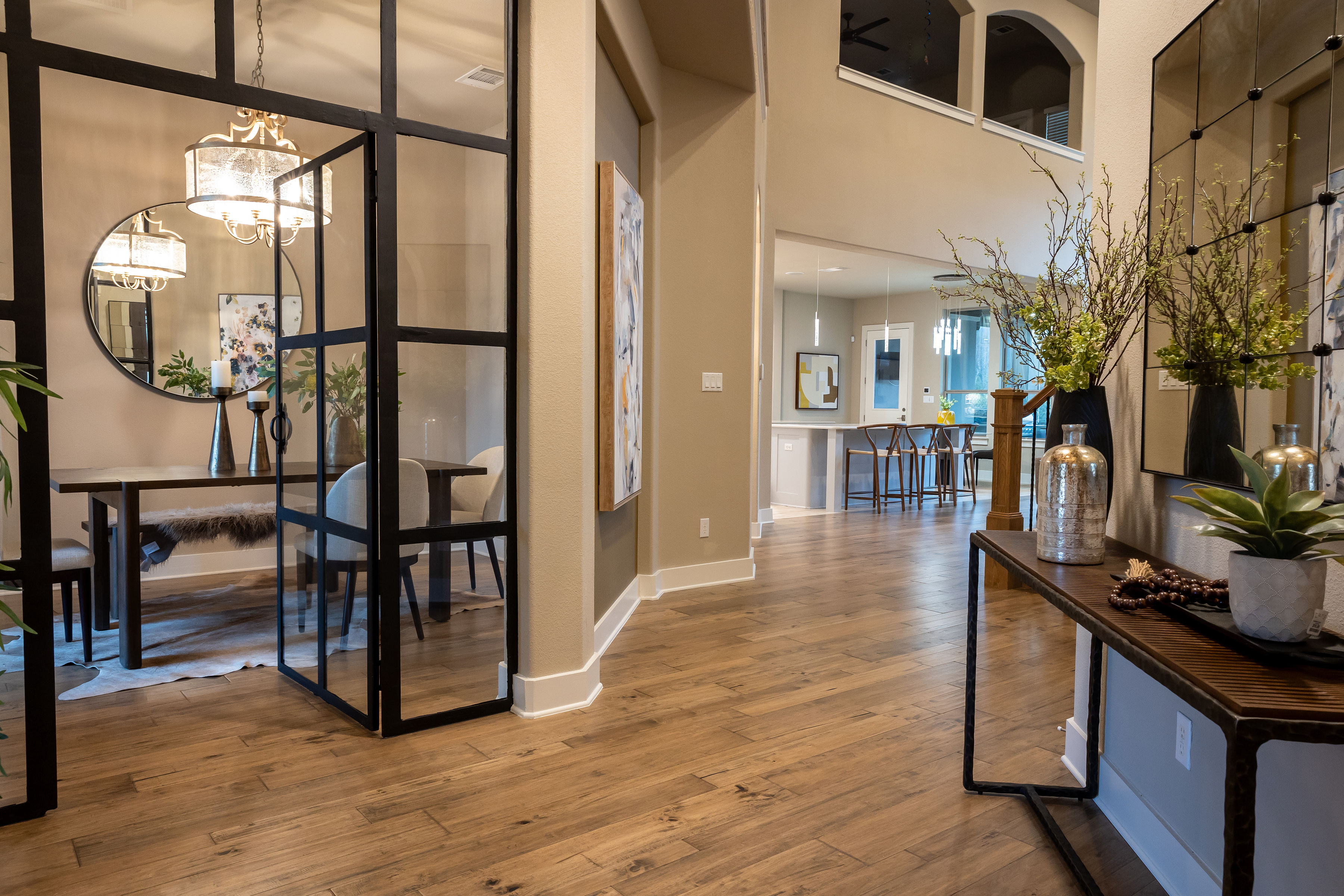
Edit before you arrange
Seeing every piece at once makes it easier to notice repetition, scale and which objects carry the most visual weight. Choose what should lead the display and let secondary pieces support it.
Editing does not mean giving up the rest of the collection. Rotating pieces can make familiar objects feel newly visible while protecting the room from becoming visually crowded.
A collection becomes stronger when every object does not have to speak at the same volume.
Group with a reason
Objects often look more intentional when they are grouped by material, color, shape or subject instead of distributed one at a time across every surface. Repetition gives the eye a pattern to follow.
Vary height and scale, but avoid making every arrangement equally important. One strong group and one quiet object can create more hierarchy than several competing clusters.

Protect the empty space
Negative space is part of the display. Leave room around the collection so its outline can be understood. A single important object may deserve an entire shelf, wall or tabletop to itself.
Step back and photograph the arrangement. The camera quickly reveals where the eye has no place to rest.